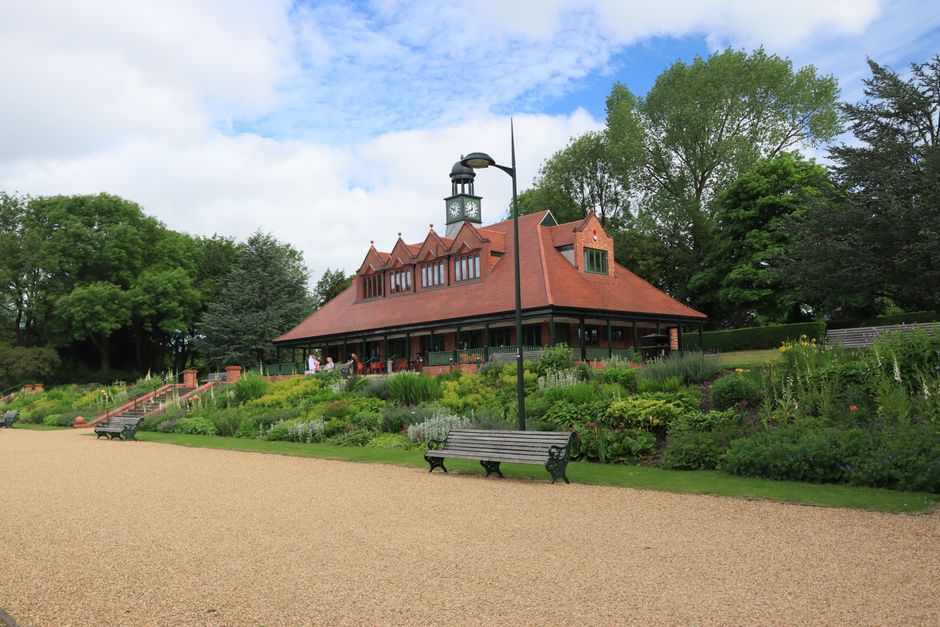
North Dulwich Station Front Garden Guide for Gardeners
If you are looking after a front garden near North Dulwich station, you already know it is never just a patch of plants and paving. It is the first thing people see on the way to the door, the bit that sets the tone, and, if you get it right, the easiest place to make a house feel cared for. This North Dulwich station front garden guide for gardeners brings together practical design ideas, maintenance advice, and a few local realities that matter in day-to-day work. You will find a clear process, simple decision points, and a grounded way to think about front garden care without overcomplicating it.
Truth be told, front gardens near stations have their own rhythm. Commuter footfall, compact spaces, shade from street trees, and the general need for a frontage that looks tidy all year round can shape what works and what does not. So rather than chasing perfect borders or fussy planting, the smart move is usually a balanced, resilient plan. Let's get into it.
Table of Contents
- Why It Matters
- How It Works
- Key Benefits and Practical Advantages
- Who This Is For and When It Makes Sense
- Step-by-Step Guidance
- Expert Tips for Better Results
- Common Mistakes to Avoid
- Tools, Resources and Recommendations
- Law, Compliance, Standards, or Best Practice
- Options, Methods, or Comparison Table
- Case Study or Real-World Example
- Practical Checklist
- Conclusion
- Frequently Asked Questions
Why North Dulwich Station Front Garden Guide for Gardeners Matters
A front garden near North Dulwich station does a lot of quiet work. It frames the property, softens the street scene, supports kerb appeal, and can make arrivals feel calmer even before anyone reaches the door. For gardeners, that means the job is not only horticultural; it is also visual, practical, and a little bit social. Neighbours notice. Passers-by notice. And if the frontage looks overgrown, neglected, or awkward to maintain, that quickly becomes part of the home's overall impression.
In an area where many homes have modest front spaces, the challenge is usually not size but balance. You need enough planting to make the garden feel alive, but not so much that pruning, litter collection, or path access becomes a headache. You also need to think about sightlines, front steps, bins, and rain runoff. It sounds like a lot, but once you break it down, it becomes manageable.
There is another reason this matters: front gardens are easier to keep in shape when the plan is realistic. A lovely scheme that needs constant deadheading is fine in theory. In January, in sideways rain, not so much. A good front garden near the station should be tidy, seasonal, and forgiving. That is the sweet spot.
If you are building a wider maintenance plan, it can help to think about the frontage alongside garden maintenance services, especially where the front and back gardens need to feel like one coherent property rather than two separate jobs.
How North Dulwich Station Front Garden Guide for Gardeners Works
The easiest way to work on a front garden is to treat it like a small system rather than a pile of tasks. Start with structure, then plants, then maintenance. If the structure is wrong, plant choice will not rescue it. If the planting is too demanding, upkeep will drag. Simple as that.
For most properties near North Dulwich station, the process goes something like this:
- Assess the front space carefully. Note sunlight, shade, drainage, exposure to wind, pavement edges, and how people move through the space.
- Decide the level of maintenance you can realistically sustain. Some homes need a tidy low-input layout, while others can handle more detailed planting.
- Fix the hard edges first. Paths, borders, steps, low walls, and edging determine whether the garden feels sharp or messy.
- Choose plants that fit the conditions. Dry shade, morning sun, compact width, and road dust all affect what thrives.
- Build a maintenance rhythm. Regular pruning, weeding, deadheading, and sweeping keep the garden looking intentional.
That rhythm matters more than one-off effort. A front garden can look brilliant after a single overhaul, but without a routine, it can slide fast. You know how it goes: one windy week, a few fallen leaves, a bit of untidy growth, and suddenly the whole frontage feels tired.
For bigger resets, many gardeners combine front-garden work with garden clearance before rebuilding the layout. That is especially useful if the space has become cluttered, heavily self-seeded, or difficult to access.
Key Benefits and Practical Advantages
A well-managed front garden brings value beyond the obvious visual lift. In day-to-day gardening terms, it improves the property's usability, reduces future work, and helps the whole frontage feel more polished. Small wins, really, but they add up.
- Better kerb appeal: A neat front garden makes a strong first impression without needing expensive materials.
- Lower long-term maintenance: Well-chosen plants and sensible edging reduce weekly workload.
- Improved access: Clear paths and simple layouts make bins, deliveries, and everyday movement easier.
- Stronger seasonal interest: A mix of evergreen structure and changing flowers keeps the garden from going flat in winter.
- Cleaner boundaries: Defined edges make the space feel organised, even when planting is soft and informal.
- More resilient planting: Gardens planned around local conditions tend to recover better after dry spells, rain, or heavy foot traffic.
There is also a practical financial angle, though it is best not to overstate it. A tidy, well-kept frontage can make a property feel more cared for. That is not the same thing as a guaranteed value uplift, of course, but it does matter in how the home is perceived.
For gardeners who handle regular upkeep, combining a frontage schedule with lawn mowing or hedge trimming can create a cleaner all-round finish. The result is usually less patchy and more cohesive.
Who This Is For and When It Makes Sense
This guide is useful for a few different people, and they do not all need the same level of intervention.
- Homeowners who want the front of the property to look tidy, practical, and welcoming.
- Landlords who need a frontage that stays presentable between tenancies or inspections.
- Gardeners managing multiple small urban plots and looking for a reliable maintenance approach.
- Busy families who want attractive planting without constant pruning.
- Older residents who may prefer low-bending, low-mess, easy-access planting.
- Anyone preparing a property for sale or rental and needing a quick but sensible visual reset.
It makes sense to use this approach when the front garden is small, exposed, or simply too awkward to manage with a high-maintenance scheme. It also makes sense if the garden has become a bit chaotic over time. Not every frontage needs a redesign. Sometimes it just needs a clearer routine and a few better decisions.
And if you are planning broader improvements, the front garden should probably be considered alongside landscape gardening or even landscaping where structural changes, levels, or new materials are involved.
Step-by-Step Guidance
Here is the practical part. If you want a front garden near North Dulwich station to look good and stay manageable, work through the following steps in order.
1. Start with a clear site read
Stand at the pavement edge and look back at the whole frontage. Where does the eye go first? Is the path too narrow? Does the planting block light from the window? Is there one awkward bed that always looks messy? These little clues tell you what the garden actually needs, not what you wish it needed.
2. Tidy the bones of the space
Before planting, sort the hard edges. Sweep paths. Reset loose edging. Check that stepping stones are stable. If the entrance feels cramped, remove anything that makes it worse. Sometimes a clean line does more for a front garden than another plant ever could.
3. Keep planting simple and resilient
Choose plants that can handle local conditions and do not demand constant intervention. In a typical London front garden, that often means a mix of evergreen structure, seasonal colour, and plants that can cope with periods of shade or reflected heat. Use repetition. Repeating three or four plants often looks better than squeezing in ten different ones.
4. Add a maintenance-friendly rhythm
Set recurring tasks rather than waiting for problems. A quick monthly tidy, seasonal pruning, and regular weeding are much easier than a full rescue job later on. It is a bit boring, yes, but gardens reward boring routines more than dramatic heroics.
5. Review drainage and soil condition
Front gardens often suffer from compacted soil, splashback, or poor drainage near paving. If water sits around roots, planting choices need to change. If the soil is thin and tired, improve it before expecting lush growth. Otherwise you are dressing up a problem.
6. Finish with a clear visual frame
Once the plants are in place, define the space with edging, gravel, low hedging, or a neat retained border. A framed frontage looks cared for even in colder months when flowers are scarce. That is one of the best tricks, honestly.
For seasonal upkeep, many properties benefit from a rolling plan that includes scheduled garden maintenance rather than ad hoc visits. It saves time, and the garden stays more even across the year.
Expert Tips for Better Results
The difference between a decent front garden and a really strong one usually comes down to judgment. Not more work. Better choices.
- Use fewer plant types, repeated more often. Repetition creates calm and makes maintenance simpler.
- Prioritise evergreen structure. A front garden should still look composed in January, not just in June.
- Keep sightlines open near entrances. Visitors should feel welcome, not squeezed past a jungle of foliage.
- Choose hard-wearing plants near edges. Front gardens take knocks from bins, feet, and day-to-day movement.
- Work with the house, not against it. A neat Victorian frontage asks for a different feel than a more modern facade.
- Refresh mulch and edging regularly. Small maintenance touches keep the space crisp without major rework.
Here is a simple rule that saves a lot of trouble: if a plant constantly needs to be told where to go, it is probably the wrong plant for that position. A slightly cheeky way to put it, but true.
If your frontage includes screening or boundary planting, a controlled approach to hedge trimming can preserve shape without letting things get blocky or overbearing.
Common Mistakes to Avoid
Front garden work often goes wrong in predictable ways. The good news? Most of them are easy to avoid once you know what to look for.
- Overplanting the space. Small front gardens can feel crowded very quickly.
- Ignoring maintenance access. If you cannot reach the back of the bed comfortably, it will become a problem.
- Choosing plants only for flowering. A lot of gardens look great briefly and awkward for the rest of the year.
- Letting hard landscaping get tatty. Broken edges and stained paving drag the whole frontage down.
- Forgetting seasonal leaf fall. Near mature trees or busy streets, leaf and debris management matters more than people expect.
- Creating too many focal points. One or two clear features are enough. More than that and the garden starts to argue with itself.
Another frequent misstep is treating the front garden like a separate project from the rest of the property. If the rear garden is very different in style, that can be fine. But if the whole property feels mismatched, the frontage can look accidental rather than deliberate.
When the garden has become seriously cluttered, a more decisive reset may be needed, and that is where garden clearance or a broader tidy-up plan becomes the sensible starting point.
Tools, Resources and Recommendations
You do not need a van full of kit for a front garden, but the right tools make the job cleaner and much less frustrating. A lot less grumbling too, which is always welcome.
Useful tools
- Hand fork and trowel for planting and light weeding
- Bypass secateurs for clean pruning cuts
- Hedge shears for shaping soft edges where needed
- Stiff broom or leaf rake for paving and paths
- Spade or border fork for soil work
- Watering can or hose for establishing new plants
- Gloves and knee protection for comfort on smaller jobs
Useful planning resources
For many gardeners, the most useful "resource" is a simple notebook or phone note with seasonal tasks written out. You do not need a perfect system. You need one you will actually use.
If you are comparing service options, the broader services overview can help you see how front garden work might fit alongside other outdoor tasks. If you want to check practical budget planning, the pricing and quotes page is a sensible place to start.
Law, Compliance, Standards, or Best Practice
Front garden work is usually straightforward, but there are still a few best-practice issues to respect. I will keep this plain, because the details matter and there is no benefit in sounding grand about it.
- Boundary awareness: Know where the front garden ends and where shared or public space begins. That matters when pruning, edging, or removing debris.
- Safe access: Keep paths clear and stable. A front entrance should not become a trip risk because of loose pots, hosepipes, or overgrown growth.
- Waste handling: Green waste should be managed responsibly. Composting, reuse, or proper removal are all preferable to piling cuttings up for days.
- Responsible pruning: Avoid heavy cuts without a reason. Good pruning supports plant health and avoids needless stress.
- Neighbour consideration: If work affects access, noise, or shared boundaries, a little communication goes a long way.
For more formal working practices, it is worth understanding a contractor's approach to health and safety policy, insurance and safety, and recycling and sustainability. Those pages matter because garden work is not just about looks; it also involves handling tools, waste, and site conditions carefully.
Options, Methods, or Comparison Table
Different front gardens need different approaches. Here is a simple comparison that helps narrow things down.
| Approach | Best for | Pros | Trade-offs |
|---|---|---|---|
| Low-maintenance planting | Busy households, small front gardens | Easy upkeep, tidy year-round, practical | Less seasonal drama, fewer flowering highlights |
| Formal frontage | Period homes, neat symmetry, strong visual order | Crisp appearance, clear structure | Needs regular trimming and edging |
| Soft natural style | Wider beds, relaxed streetscape, mixed light conditions | More texture, gentler feel | Can look messy if not maintained |
| Hardscape-led design | Very small spaces, awkward drainage, high use entrances | Durable, manageable, clean access | Less planting interest unless carefully balanced |
If the front garden needs a more structural reset, it may also sit closer to broader landscape gardening decisions, especially where paths, levels, or borders are being reworked. If timber features, steps, or seating areas are involved, decking services may also become relevant, though only if the design genuinely suits the site.
Case Study or Real-World Example
Here is a realistic example. A small front garden near the station had become a bit of everything: a narrow strip of tired shrubs, patchy paving, self-seeded growth, and one hedge that had clearly been left to "sort itself out". The space was not huge, which is often the problem. Small gardens expose every design flaw.
The fix was not dramatic. First came clearance of the clutter and broken material. Then the path edge was cleaned up so the entrance felt wider. The planting was reduced to a few dependable shrubs, a low evergreen backbone, and seasonal accents that would not demand constant attention. A simple mulch top-up helped the beds look finished. The final touch was routine trimming so the shape stayed readable from the pavement.
The result was not flashy, and that was exactly the point. It looked calmer, more intentional, and much easier to keep that way. A neighbour passing by on a wet Tuesday afternoon would notice the difference, even if they could not quite say why. That is usually the sign the work was done well.
In cases like this, ongoing visits tied to lawn mowing and border care can keep the whole frontage from drifting back into chaos. Which, let's face it, is half the battle.
Practical Checklist
Use this quick checklist before you call a job complete.
- Paths are clear and safe to walk on
- Edges are defined and tidy
- Plants suit the light and soil conditions
- Nothing blocks the entrance or window sightlines
- Weeds have been removed from borders and paving
- Pruning cuts are clean and sensible
- Leaves and cuttings have been cleared away
- Any new planting is watered in properly
- The frontage looks balanced from the pavement
- You have a simple upkeep plan for the next few weeks
Expert summary: the best front gardens near North Dulwich station are usually not the most elaborate ones. They are the ones that combine restraint, structure, and routine care. Keep the design readable, the maintenance realistic, and the boundaries clean. That approach almost always wins.
Conclusion
A strong front garden near North Dulwich station does more than look pretty. It makes the property feel easier to approach, easier to maintain, and more settled overall. The trick is to work with the site rather than against it. Keep the planting resilient. Make the structure clear. Avoid anything that turns routine maintenance into a chore.
If you take one thing from this guide, let it be this: front garden success is mostly about fit. Fit for the house, fit for the light, fit for the time you can give it, and fit for the way people actually move through the space. Get that right, and the whole place feels better. Quietly, but definitely.
Get a free quote today and see how much you can save.
Frequently Asked Questions
What is the best planting style for a small front garden near North Dulwich station?
A simple, low-maintenance scheme usually works best. Think evergreen structure, a few seasonal highlights, and repeated planting rather than lots of different species crammed into a small space.
How often should a front garden be maintained?
Most front gardens benefit from light attention every couple of weeks in the growing season and a more relaxed but still regular check in winter. Small, frequent jobs are easier than big rescue jobs.
Do front gardens need to look formal to work well?
No. Formal gardens can look great, but they are not mandatory. A relaxed front garden can still feel tidy and welcoming if the lines are clear and the planting is controlled.
What should I do if the front garden is overgrown?
Start with clearance, then reassess the structure before replanting. Once the clutter is gone, it is much easier to see what should stay and what should be removed.
Is hedge trimming important for front gardens?
Yes, if hedging is part of the boundary or screening. Regular trimming helps maintain shape, keeps entrances open, and stops the frontage from looking heavy.
How do I make a front garden look better in winter?
Use evergreen structure, tidy edging, and clean hard landscaping. Winter interest comes from shape, texture, and order as much as from flowers.
Can a front garden be low maintenance and still attractive?
Absolutely. In fact, that is usually the best combination. Good design makes a frontage attractive without asking for constant attention.
When should I consider landscaping rather than simple maintenance?
If the garden has poor levels, broken paving, awkward access, or a layout that simply does not work, a landscaping approach may be more sensible than routine maintenance alone.
What kind of work is best done before replanting?
Clear away dead material, weeds, and anything that blocks access. A clean base helps you make better planting decisions and prevents problems from being hidden under fresh foliage.
How do I keep a front garden neat between visits?
Focus on the visible basics: sweep paths, remove fallen leaves, water new plants, and check for awkward growth around the entrance. It only takes a few minutes, but it makes a difference.
Are hard landscaping features worth adding to a front garden?
Sometimes, yes. Neat paving, edging, and small structural features can improve usability and make the garden easier to manage. They need to suit the property, though. No point forcing it.
Where can I learn more about the service side of garden care?
The best place to start is the services overview, then check related pages such as pricing and quotes if you are comparing options or planning a project.
If you want a frontage that feels calm, tidy, and properly looked after, start small and stay consistent. That is usually where the good gardens are built, one sensible choice at a time.