Garden Maintenance in Dulwich

Garden maintenance in Dulwich should keep outdoor space tidy, healthy and manageable through the seasons, with practical work that suits the planting, layout and condition of each garden. We focus on regular upkeep and one-off attention where borders, lawns, hedges and hard edges need care. That can include routine cutting, shaping, clearing and checking plant growth so the garden remains orderly without losing its character. The aim is simple: reliable maintenance that supports how the space is used.
Different gardens need different levels of input, so our maintenance service can be shaped around the tasks that matter most. Some spaces mainly need mowing and edging, while others need pruning, weeding, tidying or seasonal cutbacks to keep growth under control. We also help with heavier clearances where an overgrown plot or neglected section needs to be brought back into a more workable condition. If you are comparing options, start with the tasks that feel most urgent and build from there.
For a clearer idea of what is involved, you can review our garden maintenance service alongside the wider services overview. If you are planning a regular schedule or a single visit, the next step is straightforward: request a quotation with the details that best describe the space and the type of work needed.
Routine garden care and tidy-up work
Routine maintenance is often about keeping the garden presentable and preventing small jobs from building into more difficult work. Grass can become patchy or uneven if it is left too long, borders can blur at the edges, and pathways may lose definition when plants spill across them. Our work is designed to bring back clear lines and a sensible level of order, while still respecting the shape of the planting and the way the garden is arranged.
In practice, that may mean mowing, strimming, edging and general tidying, with extra attention to areas where growth has outpaced the rest of the plot. Where appropriate, we can also combine tasks so the visit achieves more than a quick surface cut. A well-judged maintenance visit should leave the garden easier to use, easier to look after and easier to plan for in future.
If you already know which tasks need attention, it helps to group them by priority before you enquire. Lawns, borders, hedges and waste collection are often the main starting points. For lighter, recurring care, the lawn mowing page shows the kind of grass cutting support that can sit at the centre of a maintenance plan, while the hedge trimming page explains the shaping and control needed where boundaries and screens have grown away from neat lines.
Seasonal work for changing conditions
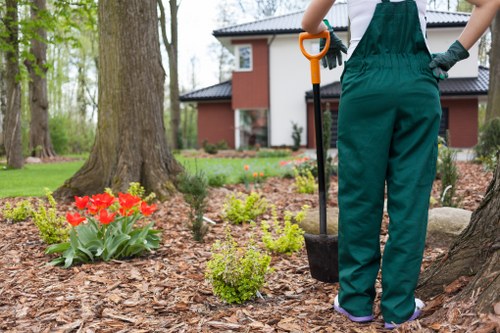
Seasonal maintenance helps a garden stay balanced as weather and plant growth change through the year. Spring work may focus on clearing winter debris, cutting back dead material and restoring definition to beds and edges. In warmer months, the emphasis may move towards regular cutting, pruning and the removal of spent growth. Later in the year, the work often becomes more about reducing congestion, keeping access clear and preparing the space for the quieter months ahead.
Because every garden responds differently, seasonal work is best planned around the current state of the site rather than a fixed idea of what should be done everywhere. Shrubs, perennials, climbing plants and grass all grow at different rates, and some areas may need a gentler approach than others. Where needed, our maintenance can be adjusted to suit delicate planting, more robust growth or sections that simply need a thorough reset before routine care can resume.
You can also use a seasonal visit to separate regular care from occasional heavier tasks. If part of the garden is becoming too dense, the tree lopping and removal page may be relevant where woody growth needs to be reduced or removed, while the garden clearance page covers situations where accumulated material needs to be taken away before normal maintenance becomes practical again.
Border care, pruning and plant control
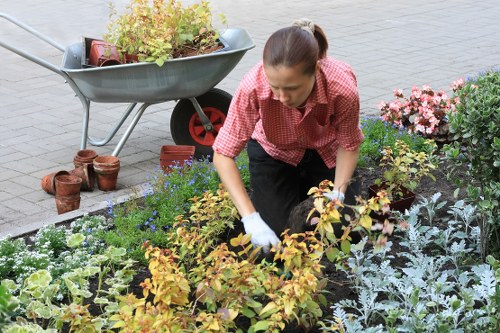
Plant control is an important part of maintenance because healthy growth can still become untidy if it is not guided properly. Borders may need weeding, deadheading, light pruning or the removal of damaged stems so that the stronger plants have room to thrive. In a well-kept garden, the planting should look intentional rather than crowded, and that usually depends on a mix of restraint, timing and careful cutting rather than heavy intervention.
We work on the principle that each area should be treated according to its function. Decorative borders need a different approach from screening hedges, and a productive or mixed garden may need clearer access for watering, inspection and general movement. Where a space has become unbalanced, selective pruning and tidying can improve both appearance and manageability without stripping away the character of the planting. That is especially useful where mature growth has value and only specific sections need attention.
For more involved planting-related work, landscape gardening may be relevant where a maintenance visit leads into reshaping or improving parts of the garden, while landscaping may suit customers who need broader changes rather than upkeep alone. If you want to compare those options with routine care, it is often helpful to separate maintenance tasks from improvement work before asking for a price.
About Dulwich
Dulwich is a district in south London known for its mixture of residential streets, green spaces and long-established institutions. The area is often associated with Dulwich Village, East Dulwich and West Dulwich, each with a slightly different character, yet all linked by a shared history and a strong sense of place. One of its best-known institutions is Dulwich College, founded in 1619 through the will of Edward Alleyn, whose charitable foundation also shaped the wider development of the area. That legacy remains visible in the local landscape, where institutional buildings sit alongside housing that ranges from Georgian and Victorian terraces to later twentieth-century streets. Dulwich Park, opened in 1890, gives the district a major public green space, while nearby Belair Park, on the western side, adds further open ground and mature trees. The Horniman Museum and Gardens, just to the east in Forest Hill but closely connected to local cultural life, is another significant landmark in the wider district setting. Local streets around Dulwich Village retain a more historic atmosphere than many parts of inner south London, with protected architecture and a compact centre that reflects the area’s older origins. The network of roads and rail links has shaped its development without removing the emphasis on residential character, schools and open space. Together, these features make Dulwich a place with layered history, attractive built surroundings and a notable amount of greenery for an urban district.
Garden clearance and heavier one-off work
Some gardens need more than routine attention. If an outdoor space has been left untouched for a while, garden maintenance may need to begin with a clearance stage before normal work can happen properly. That can involve collecting debris, cutting back overgrowth, removing unwanted material and restoring access to key areas. The purpose is not only to improve appearance, but to make the site workable again so later maintenance can be carried out efficiently.
Heavier work is often best approached in stages. Dense growth can hide uneven ground, dropped branches or built-up waste, and these conditions can make ordinary maintenance harder until the first layer has been dealt with. Once the space is opened up, it becomes easier to judge what should be cut, retained, lifted or tidied. A sensible clear-out also helps avoid unnecessary disturbance to healthy plants that are still worth keeping.
Where the situation includes a larger quantity of green waste or material that needs removing, the garden clearance page is a useful point of reference. For customers who are planning a more structured improvement once the site is clear, the landscape gardening service may also be worth considering, especially if the garden needs a fresh layout as well as maintenance.
What shapes the quotation
Quotations for garden maintenance usually depend on the size of the space, the amount of work involved and how accessible the different areas are. A small, tidy garden may only need a short visit for mowing and edging, while a larger or more complex plot can take longer because of planting density, boundary length or the need to move through several distinct sections. Waste removal, the condition of the lawn and the amount of cutting required can also affect how the work is priced.
It is helpful to be specific about the tasks you want included, but there is no need to over-explain the whole garden. A short description of the main issues is usually enough to start the discussion. If there are areas you want left alone, sections that are difficult to reach or features that need care around them, mention those clearly. That makes it easier to prepare a quotation that reflects the actual work rather than a general assumption.
The most efficient enquiries usually mention the main task and any related items together. For example, mowing, border tidy-up and hedge cutting can be grouped into one visit if that suits the garden. If you are ready to compare options, send a clear outline of the work and ask for a quotation. For information about costs and the factors involved, the pricing and quotes page may also be useful.
Keeping lawns, edges and access under control
Good maintenance often comes down to the details that make a garden feel finished. Clean edges along lawns, paths and beds help define the space, while trimmed growth around access routes makes it easier to move through the garden without snagging or brushing against overhangs. These smaller tasks may not be dramatic, but they have a clear effect on how the whole area looks and functions. They also help keep more substantial work from building up between visits.
Where lawns are part of the garden, regular attention is usually more effective than occasional heavy cutting. That helps the grass stay even and avoids the stress that can come from letting it grow too long and cutting it back sharply. Edging and light tidy-up work can then follow as part of the same visit. If the space includes hard surfaces, beds or narrow side passages, those areas may need a more careful approach so the result remains neat without damaging nearby planting.
For customers who want maintenance support to sit alongside a more complete outdoor project, the decking services page may be relevant where timber features are part of the space, and the services overview can help you compare the different types of work available before you decide how much to include in one quotation.
Planning a maintenance visit

When arranging garden maintenance, a little planning makes the work easier to scope properly. It helps to note whether the task is a one-off tidy, a seasonal cutback or a recurring schedule, because each needs a slightly different approach. Access also matters: gates, side passages, steps and confined sections can affect how the work is carried out and how long it takes. If there are pets, bins or movable items in the way, moving them in advance can make the visit smoother.
If possible, identify the sections that matter most first. A front garden, rear lawn, boundary hedge and back border may all need different levels of input, but they do not always need to be handled in the same way on the same day. By separating the priority tasks from the extras, you make it easier to build a sensible plan. That is especially useful if you want maintenance to be repeated at intervals rather than completed as a single tidy-up.
If you are checking other practical details before you decide, our about us page gives broader company information, while contact us is the best place to begin a quotation request. Tell us what needs attention, and we can help shape the right level of maintenance for the garden.
From tidy-up to regular upkeep
Many customers begin with a one-off tidy-up and then decide whether ongoing maintenance would be more suitable. That approach works well when the garden has moved beyond simple upkeep but does not yet need a major overhaul. A first visit can establish a cleaner baseline, after which regular care can focus on keeping growth in check and preventing the same issues from building again. The transition from one-off work to routine maintenance is often where a garden becomes much easier to manage.
Regular upkeep can be especially useful where the same jobs return each season. Lawns need cutting, borders need light attention, hedges need trimming and unwanted growth keeps appearing at edges and around hard surfaces. By handling those tasks before they become larger problems, maintenance can remain predictable and more straightforward. It also means the garden is more likely to stay usable and presentable between visits, rather than swinging between tidy and overgrown.
To move forward, you can choose the level of support that best matches the current state of the garden. If you want a broader service that combines maintenance with more extensive changes, the landscaping page may be a useful next step. If you are ready to ask for a quotation now, contact us and let us know the size of the garden and the tasks you want included.